

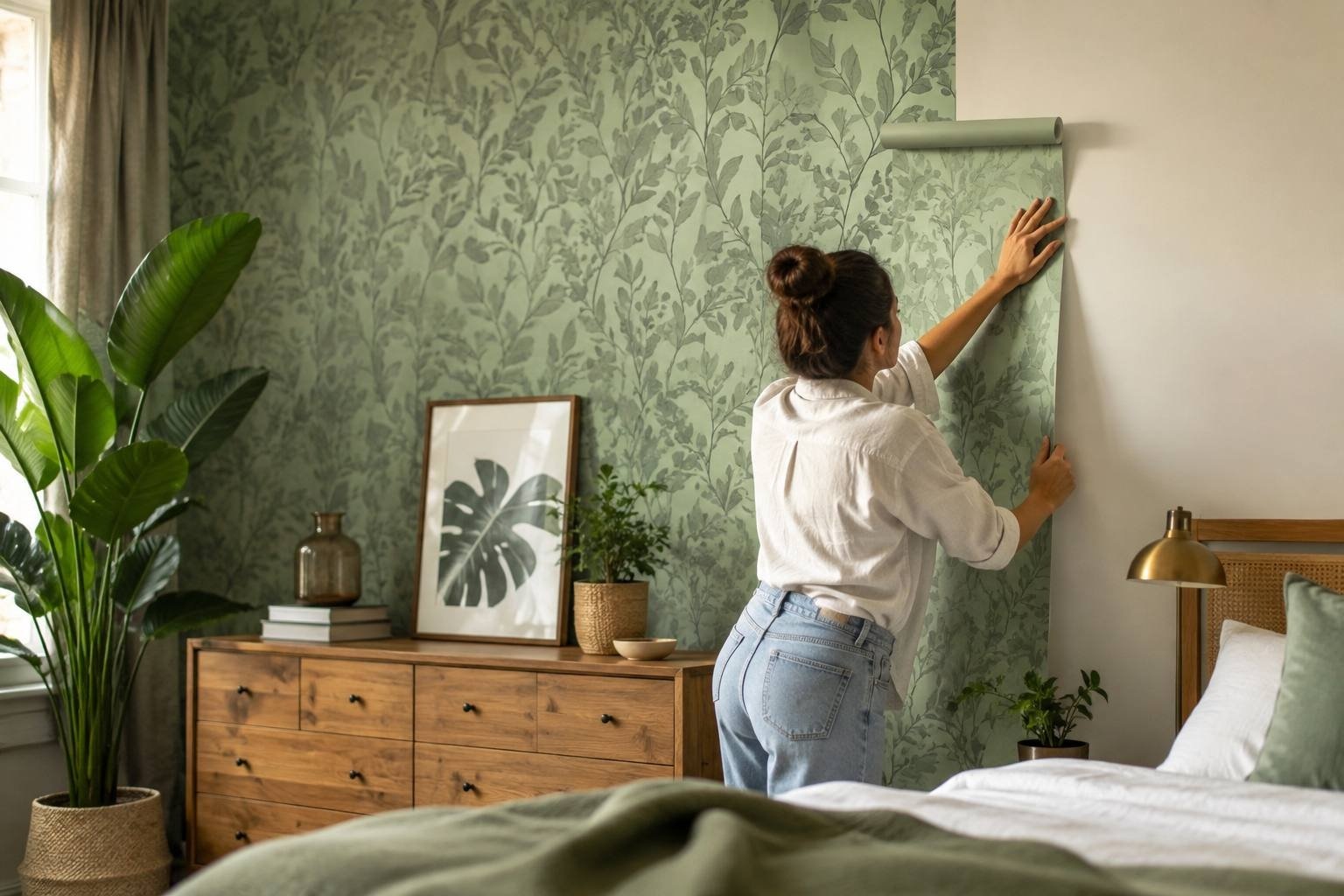
It took four separate attempts at painting my hallway before I gave up and reached for a roll of adhesive wallpaper instead. A swatch card, it turns out, tells you almost nothing about how a color settles once it’s actually dry on a wall — and that gap is exactly why renters and busy homeowners alike have started skipping rollers and paint trays altogether. Green, specifically, has become the shade people reach for when a room needs new life without the risk of a color that turns out three shades off from what the can promised.
Green peel and stick wallpaper isn’t one thing, though. A soft sage tone calms a bedroom down almost instantly, while a rich, saturated emerald in that same room can turn it into something closer to a greenhouse by mid-afternoon. Figuring out which effect you actually want, before the rolls arrive, is what keeps you from shipping a return box back and losing a weekend to it. If you’re still weighing peel and stick as a category before you even get to color, the fundamentals guide is worth a quick read first.
A Shade That Rarely Ages Badly

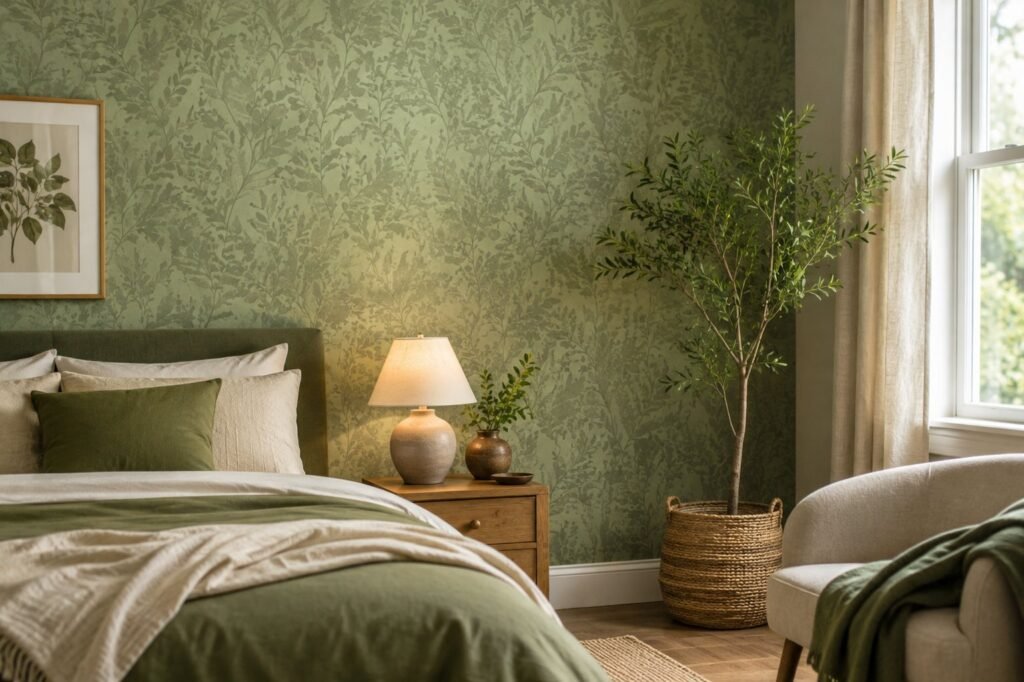
Ask around and you’ll notice something: people rarely regret choosing green peel and stick wallpaper the way they regret a loud yellow accent wall two years later. That durability likely traces back to how ordinary green is to the eye — it’s visible through nearly any window in any season, so a room done in green rarely feels like it’s chasing a trend.
Sage and moss get overshadowed by the deeper emeralds and forest shades that fill up design feeds, but they do quieter work in a room. Walk in and they don’t compete for attention the way a bolder green would — they just make a space read as more finished than it did before.
Matching Green to the Room’s Light
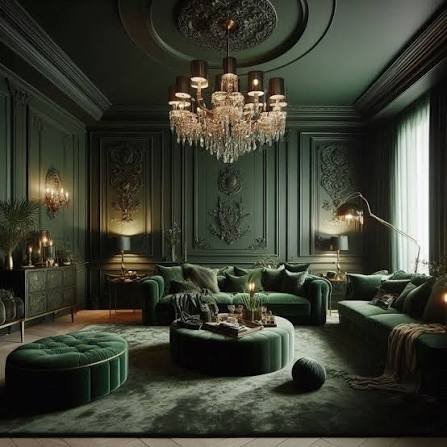
Choosing the right green peel and stick wallpaper starts with the room’s light, not the swatch. A windowless powder room and a bright kelly green rarely get along. Neither does a north-facing bedroom paired with a deep hunter shade — without strong lamps, that combination can flatten a room instead of warming it.
| Shade Family | Best Rooms | Mood It Creates | Watch Out For |
| Sage / Muted Green | Bedrooms, home offices | Calm, understated | Reads gray under weak light |
| Emerald / Jewel Green | Powder rooms, dining walls | Bold, luxe | Overwhelms compact rooms |
| Olive / Earthy Green | Living rooms, kitchens | Grounded, warm | Clashes with cool-toned metals |
| Mint / Light Green | Nurseries, kids’ rooms | Fresh, airy | Seams show more easily |
| Forest / Deep Green | Studies, accent walls only | Cozy, moody | Needs strong lighting nearby |
For anyone furnishing an entire apartment and wanting one shade that won’t fight the rest of the decor, sage tends to be the safest bet on the list. If moody appeals to you more than fresh, it’s worth glancing at the black option before you settle on green.
Budgeting for Green Wallpaper
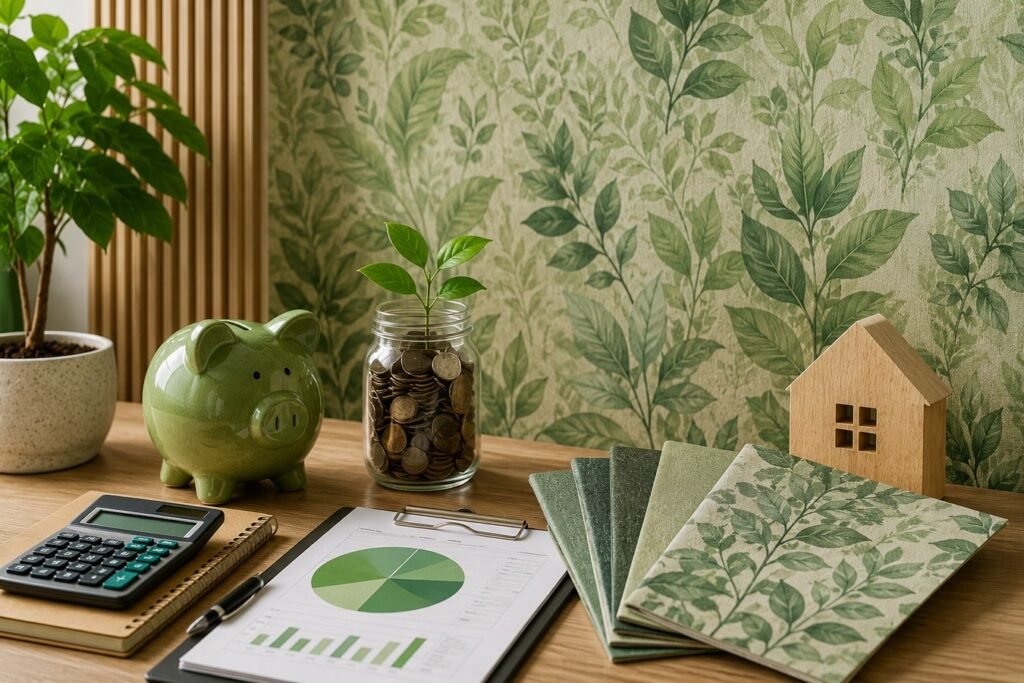
A single roll of green peel and stick wallpaper typically costs somewhere in the $25-to-$60 range — grasscloth-look textures sit near the top of that, while plain or minimally patterned rolls land closer to the bottom.
What actually determines your total spend is how much wall you’re covering, not what a single roll costs on its own. An accent wall behind a headboard might only take two or three rolls to finish. A full bedroom with several windows and a closet door can quietly eat through six or more once the pattern has to repeat around every obstacle. Measuring the wall twice before ordering saves an awkward second shipment.
Paint or Wallpaper: The Real Trade-Off
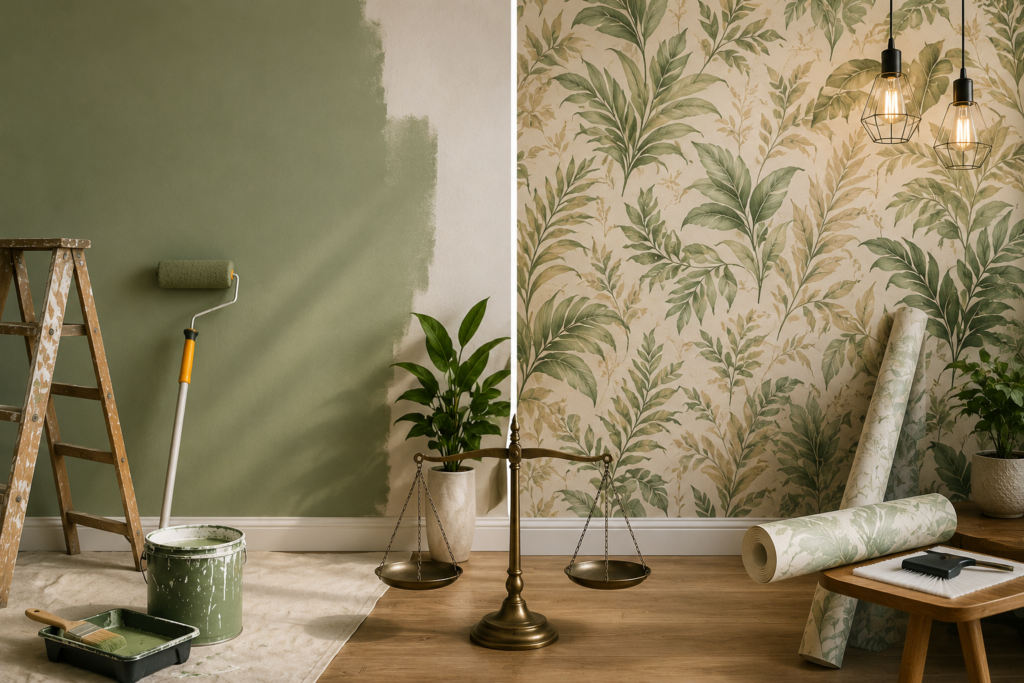
Renters usually don’t need to weigh this for long — wallpaper comes off cleanly, paint doesn’t. Homeowners with time for proper prep and a longer drying window get more precision from paint, since custom mixing beats matching a printed roll.
Where green peel and stick wallpaper pulls ahead is texture. Paint gives a flat surface no matter how good the color is. Wallpaper adds shadow and depth — a veined leaf print, a woven grasscloth look, a geometric pattern that shifts slightly depending on where you’re standing. Recreating that with a paint roller alone would take a hired muralist and a budget most people aren’t working with.
Where Most Installs Go Wrong
Most green peel and stick wallpaper problems trace back to a handful of avoidable steps:
- Hanging it on a dusty or oily wall, which is the fastest route to early peeling
- Applying it over a wall that was painted too recently to fully cure
- Ignoring the pattern’s repeat distance, so seams land in odd spots near windows
- Moving too fast through the smoothing stage and trapping bubbles under the surface
- Trimming around outlets by guesswork instead of measuring first
None of these mistakes ruin a project outright. They just stretch a two-hour afternoon into a longer one than it needed to be.
A Rental-Friendly Wallpaper Choice
For a studio apartment or a lease that bans paint outright, green peel and stick wallpaper solves the problem cleanly. One statement wall — typically behind a bed or sofa — carries more visual weight than wrapping an entire small room, which can end up feeling cramped instead of styled.
Nurseries are where this decision matters most, since a baby spends long, quiet stretches simply looking at whatever surrounds the crib. For that specific case, this guide walks through gentler, softer prints built for the room.
What About Indoor Air Quality?
Parents ask about this more than anyone else when shopping for green peel and stick wallpaper, and the honest answer depends on the manufacturer, not the shade. Some adhesive-backed materials release trace compounds into the air over time, which is exactly why stronger brands have moved toward PVC-free backing and lower-emission glue formulas in recent years. Don’t take the word “eco” on a package at face value — pull up the actual material spec sheet, particularly for a room where someone spends eight hours asleep each night.
For a deeper technical breakdown beyond a summary, this full overview covers it in detail.
Getting the Pattern Straight
Installing green peel and stick wallpaper cleanly comes down to sequence. Begin near a window rather than a doorway — natural light shows misalignment almost instantly, so working close to it keeps the whole job honest. Work in short sections — pull off about six inches of backing paper at a time rather than the whole sheet at once. Handling a full strip in one go is usually what causes bubbles to trap underneath.
Use a plastic smoother and push outward from the middle of the strip rather than using your hand. A slightly crooked first strip isn’t a crisis — this material can be peeled up and repositioned in a way paste-based wallpaper never could, which is basically the reason it was invented.
For a wider look at techniques and brand differences, this roundup is a good starting point before you commit to a specific brand.
Conclusion
There’s an odd sweet spot green adhesive wallpaper sits in — cheap enough that trying it feels low-risk, yet detailed enough that it doesn’t look like a cop-out. That’s likely why it keeps showing up across bedrooms, nurseries, powder rooms, and rental units where painting was never on the table.
Shade selection matters more than most people expect walking in. Sage and olive tones forgive both mistakes and dim lighting, while bold emeralds and forest greens reward confidence but punish poor planning in tight or shadowed rooms. Cost rarely trips people up — coverage and prep work do, and both are manageable with patience and an accurate tape measure.
Slow down on the two steps that actually matter: choosing a shade suited to the room’s real light, and cleaning the wall properly before anything touches it. Skip either and it shows. Get both right, and the room shifts from accidental to intentional almost overnight.
FAQs
Will sunlight fade green peel and stick wallpaper over time?
It can, especially on lower-cost prints — a UV-resistant coating is worth checking for if the wall gets direct afternoon sun.
Can I install green peel and stick wallpaper over textured walls?
It’s not advisable — texture shows through the print and weakens the adhesive, so a smooth wall works better.
Once it’s up, how long does green peel and stick wallpaper usually last?
When installed with care, a quality roll typically holds for two to five years before any seam lifting begins.
Is green peel and stick wallpaper okay to use in a baby’s nursery?
Choose rolls labeled PVC-free and low-VOC, and allow the room about a day to air out once installation wraps up.
Does green wallpaper make a compact room feel even smaller?
Pale shades like mint or sage tend to open a room up visually, while a deep forest green can close it in a bit.
Once removed, can green peel and stick wallpaper be reused somewhere else?
Rarely with full success, though a careful removal sometimes allows one reapplication on another smooth surface.
What tools does installing it actually require?
Between a smoothing tool, a level, a utility knife, and a tape measure, you’re covered for almost any situation the install throws at you.
Does humidity in a bathroom pose a problem for green peel and stick wallpaper?
It can, which is why a moisture-resistant, vinyl-backed roll rated safe for bathrooms is the better pick.